


Key Takeaways
- DJI's O4 system leads on image quality, 1080p at up to 100fps with the best penetration through obstacles of any digital system tested in 2026 (UAVMODEL Insights, 2026). - A complete O4 Air Unit plus DJI Goggles 3 setup runs roughly $778 in component costs alone. - DJI's ecosystem is closed: O4 only works with DJI's own goggles, unlike Walksnail's more open approach.
DJI's digital FPV systems have set the image-quality benchmark since they launched, and the O4 generation is no exception. The harder question for a beginner isn't whether it's good, it clearly is, it's whether image quality is worth $778 in components and a closed ecosystem before you've flown a single real flight.
What Does the DJI O4 Actually Deliver?
The O4 delivers 1080p video at up to 100 frames per second with noticeably better penetration through obstacles like trees than any competing digital system, running at 24 to 40 milliseconds of glass-to-glass latency (UAVMODEL Insights, 2026). That combination of resolution, frame rate, and signal penetration is what keeps DJI ahead on pure image quality against Walksnail and HDZero alike.
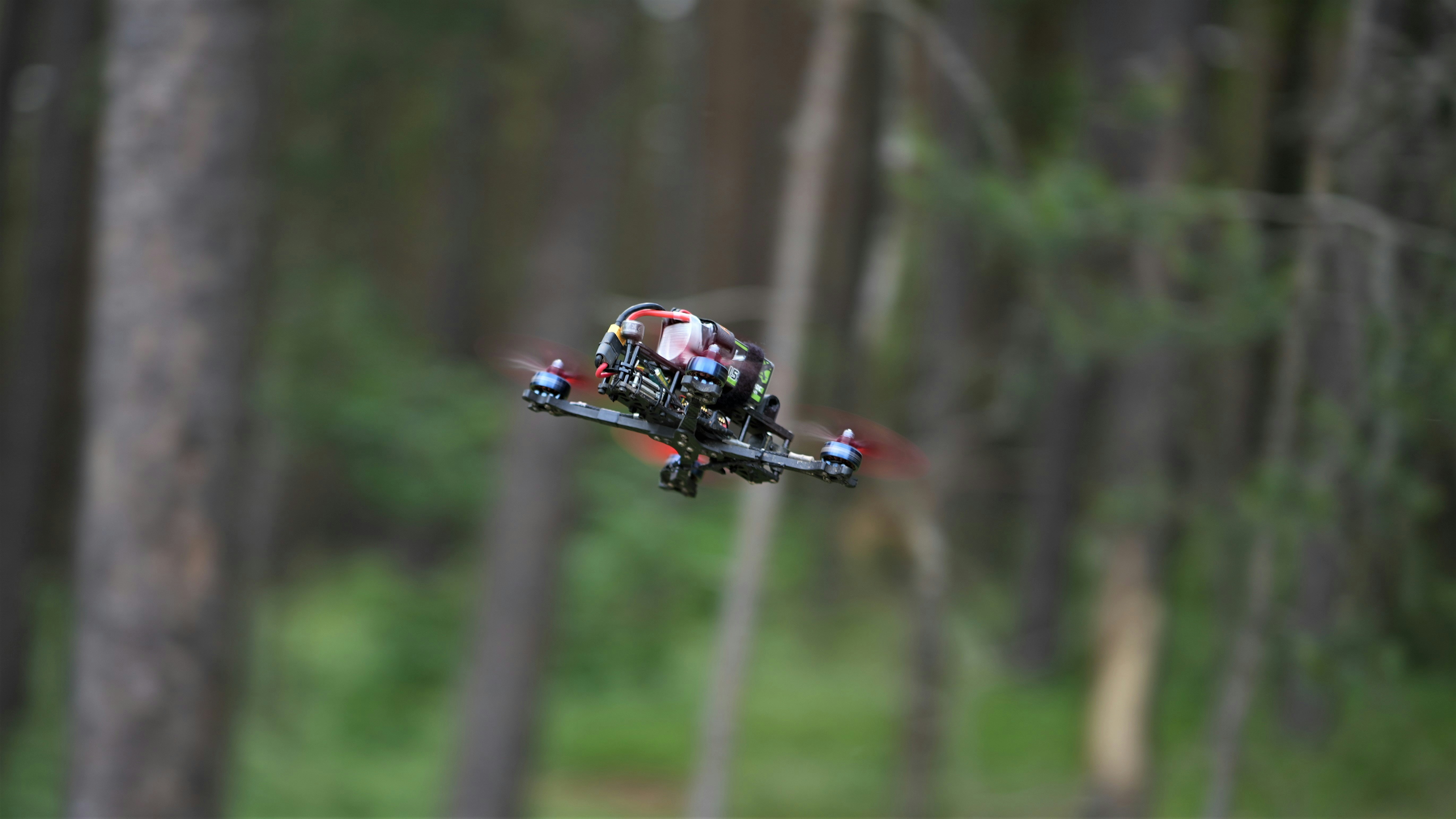
That latency figure matters more for a beginner than it might sound. It's noticeably higher than analog's 8 to 18 milliseconds, which is a real adjustment if you learned stick control on a simulator or analog whoop first, though most pilots adapt within a handful of flights. A separate 2026 digital-systems comparison puts DJI's latency slightly higher still, in the 28 to 54 millisecond range with variability under weak signal, and categorizes the O4 as a mid-to-high price tier system alongside HDZero (DroneVideoHub, 2026); exact figures vary by test methodology, but every measurement agrees DJI trades some latency for its image-quality lead.
What Does a Complete DJI Setup Actually Cost?
A DJI O4 setup runs roughly $778 in component costs: the O4 Air Unit itself at $229 plus DJI Goggles 3 at $549 (UAVMODEL Insights, 2026). That's before the drone itself, radio, batteries, or charger, all of which add on top.
For a beginner specifically, one route worth knowing about is buying used DJI Goggles 2 paired with a newer O4 Lite air unit, a combination that keeps most of the image-quality benefit at a meaningfully lower cost than buying everything new (UAVMODEL Insights, 2026).
What's the Catch With DJI's Ecosystem?
DJI's system is closed: the O4 air unit only pairs with DJI's own goggles, so every future upgrade has to stay inside DJI's product line. That's a real constraint compared to Walksnail's more open approach, where its Avatar VRX lets the video system work with third-party goggles, including analog ones you might already own.
For a beginner buying their first digital system, that's less of an immediate concern than it becomes later, once you're deciding whether to upgrade goggles independently from your air unit. Walksnail as the more open alternative covers that tradeoff directly.
Is It Worth It for a Beginner?
If image quality and long-range performance are what's pulling you toward FPV in the first place, yes, DJI's O4 is worth the price and the ecosystem lock-in. If you're still building basic stick skill and unsure how often you'll fly, that $778 buys you very little that analog's $15-40 per component doesn't already deliver for learning purposes. The full analog vs. digital comparison walks through that decision from the beginning.
Frequently Asked Questions
It delivers the best image quality of any digital FPV system in 2026, but at a higher cost and higher latency than analog. It suits beginners prioritizing footage and long-range flying more than those purely building stick skill on a budget.
Roughly $778 in component costs alone: $229 for the O4 Air Unit and $549 for DJI Goggles 3 (UAVMODEL Insights, 2026), before the drone, radio, and batteries.
No. DJI's ecosystem is closed, so O4 air units only pair with DJI's own goggles. Walksnail's system is more open by comparison.
Yes. Pairing used DJI Goggles 2 with a newer O4 Lite air unit keeps most of the image-quality benefit at a lower total cost than buying the latest goggles and air unit new.
Conclusion
The verdict: DJI's O4 earns its reputation honestly, on image quality, not on being cheap or beginner-friendly. Pay the $778-plus and accept the closed ecosystem if footage is why you fly. If you're not sure yet, a used-goggle DJI combination or plain analog gets you flying for far less while you decide.
Figure out that answer for free first. FlightDivision's simulator doesn't care which video system you eventually buy.
Sources
- UAVMODEL Insights, FPV Goggle Comparison 2026: DJI O4 vs Walksnail vs HDZero vs Analog, Resolution, Latency, and Best Choice by Flying Style, retrieved 2026-08-28, https://blog.uavmodel.com/fpv-goggle-comparison-2026-dji-o4-vs-walksnail-vs-hdzero-vs-analog-resolution-latency-and-best-choice-by-flying-style/
- UAVMODEL Insights, DJI O4 Air Unit vs Walksnail Avatar HD: The 2026 FPV Video System Showdown, retrieved 2026-08-28, https://blog.uavmodel.com/dji-o4-air-unit-vs-walksnail-avatar-hd-the-2026-fpv-video-system-showdown/
- DroneVideoHub, The Digital FPV War 2026: DJI O4 vs. Walksnail Avatar vs. HDZero, retrieved 2026-08-28, https://dronevideohub.com/blog/digital-fpv-war-2026-dji-o4-walksnail-hdzero-28


