


Key Takeaways
- Your radio outlives every drone you buy, which makes it worth choosing carefully even as a first purchase. - ExpressLRS (ELRS) support is the single non-negotiable spec in 2026; it's the open-source protocol nearly every modern receiver expects. - The RadioMaster T8L is a solid, specifically ELRS-compatible starter radio (Unmanned Tech, 2026), with hall-effect gimbals available on step-up models for better long-term durability.
Every other piece of FPV gear gets replaced eventually. The radio, chosen well, doesn't. That makes it worth more research than any single drone purchase, even though it's usually the cheapest thing on this list.
Why the Radio Matters More Than the Drone
A radio bought once continues working with every BNF or PNP drone you buy afterward, as long as they share a protocol, while a drone gets crashed, retired, and replaced on its own timeline. Buying a quality radio first is what makes every future drone purchase cheaper, since you're never paying for a radio again.
This is also exactly why RTF bundles, which include a proprietary radio locked to that one kit, tend to become a regret once you're ready for a second drone. Our full RTF vs. BNF breakdown covers that pattern in more depth.
What Actually Matters When Choosing a Radio
ExpressLRS support. This is non-negotiable in 2026. ELRS is the open-source protocol most modern FPV receivers expect by default, and a radio without it locks you into a shrinking pool of compatible drones. The RadioMaster T8L is one current example of a starter radio built specifically around ELRS (Unmanned Tech, 2026).
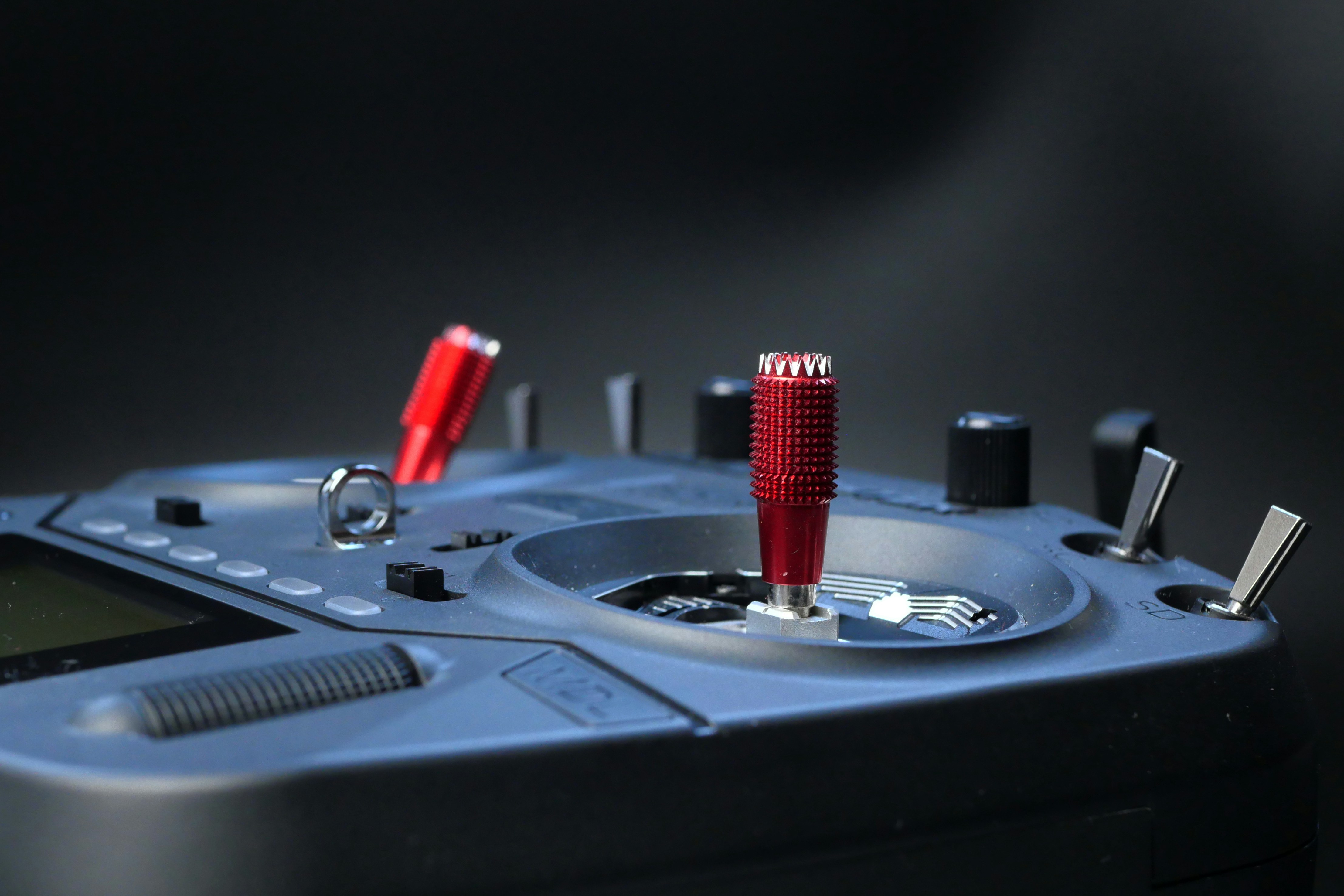
Gimbal type. Entry radios typically use potentiometer gimbals, which are fine to learn on but wear and lose precision faster than hall-effect gimbals, found on step-up models. If your budget allows it, hall-effect gimbals are worth paying more for since they hold calibration for years rather than months.
Stick size. Smaller, budget-friendly radios trade off physical stick size for price, which some pilots find limiting for fine control. Try a radio in person if you can before committing, since this is the kind of preference that's hard to judge from a spec sheet alone.
Budget range. A separate 2026 transmitter roundup puts the realistic beginner budget at $50 to $100 for a solid entry-level ELRS radio, with premium hall-gimbal models running higher (AeroVisionDrones, 2026), which lines up with the T8L-class pricing above.
Do You Need an Expensive Radio to Start?
No. A budget ELRS-compatible radio is enough to learn every fundamental skill FPV requires, in a simulator and in the air. The case for spending more upfront is longevity, a hall-effect gimbal radio simply lasts longer under daily use, not that a budget radio can't get you flying well from day one.
If you're still deciding whether FPV is a hobby you'll stick with, start with the cheapest ELRS-compatible radio you can find and put the rest of your budget toward simulator time. The full cost breakdown by tier shows exactly how far that combination stretches, and if you're flying indoors first, a tiny whoop pairs well with a budget radio like this one. Goggles are the other half of a first setup worth researching with the same care.
Frequently Asked Questions
ExpressLRS (ELRS) support. It's the open-source protocol nearly every modern FPV receiver expects, and a radio without it limits which drones you can pair it with going forward.
Not to start. Potentiometer gimbals on entry radios work fine for learning; hall-effect gimbals mainly pay off in long-term durability and calibration stability rather than immediate flying ability.
Because the radio, not the drone, is the component that carries forward across every future purchase. A quality radio bought once means you never pay for a radio again.
Yes. It supports every fundamental skill FPV requires, in a simulator or in the air. Spending more mainly buys longevity and stick feel, not additional capability for a beginner.
Conclusion
Most FPV purchases get replaced eventually. A radio bought well doesn't. That asymmetry is the whole argument for spending real research time here even though it's usually the cheapest thing on your shopping list.
Confirm ExpressLRS support, stretch to hall-effect gimbals if your budget allows, and put everything left over toward the drone and simulator time. The parts list for building a drone around this radio is the natural next stop.
Sources
- Unmanned Tech, Best FPV Starter Kits for Beginners (2026), retrieved 2026-08-28, https://www.unmannedtechshop.co.uk/blogs/knowledge-base/best-fpv-starter-kits-for-beginners-2026
- AeroVisionDrones, 15 Best Drone Radio Transmitters for Beginners, retrieved 2026-08-28, https://www.aerovisiondrones.com/best-drone-radio-transmitters-for-beginners/


