


Key Takeaways
- A full build only makes sense once you already own the radio and goggles it needs, since building without those first means guessing at compatibility before you've flown anything. - Motor/prop size mismatches, a flight controller left off the parts list, and reversed TX/RX wiring are the specific mistakes that wreck first builds most often, per real beginner troubleshooting threads (IntoFPV, 2026). - Test-fit every component and sketch a wiring diagram before soldering anything.
Building your first FPV drone only makes sense once you already own the radio and goggles it needs. Building without those first just means guessing at compatibility before you've flown anything at all. If you've got that gear sorted, here's the real parts list and the specific mistakes that wreck most first builds.
The Core Parts List
Every FPV drone reduces to the same core components, regardless of size: a frame, a flight controller, a 4-in-1 ESC, four motors, a receiver, a camera and video transmitter, and a battery. Our full breakdown of what each part does covers the function of each in plain language if any of these are unfamiliar.
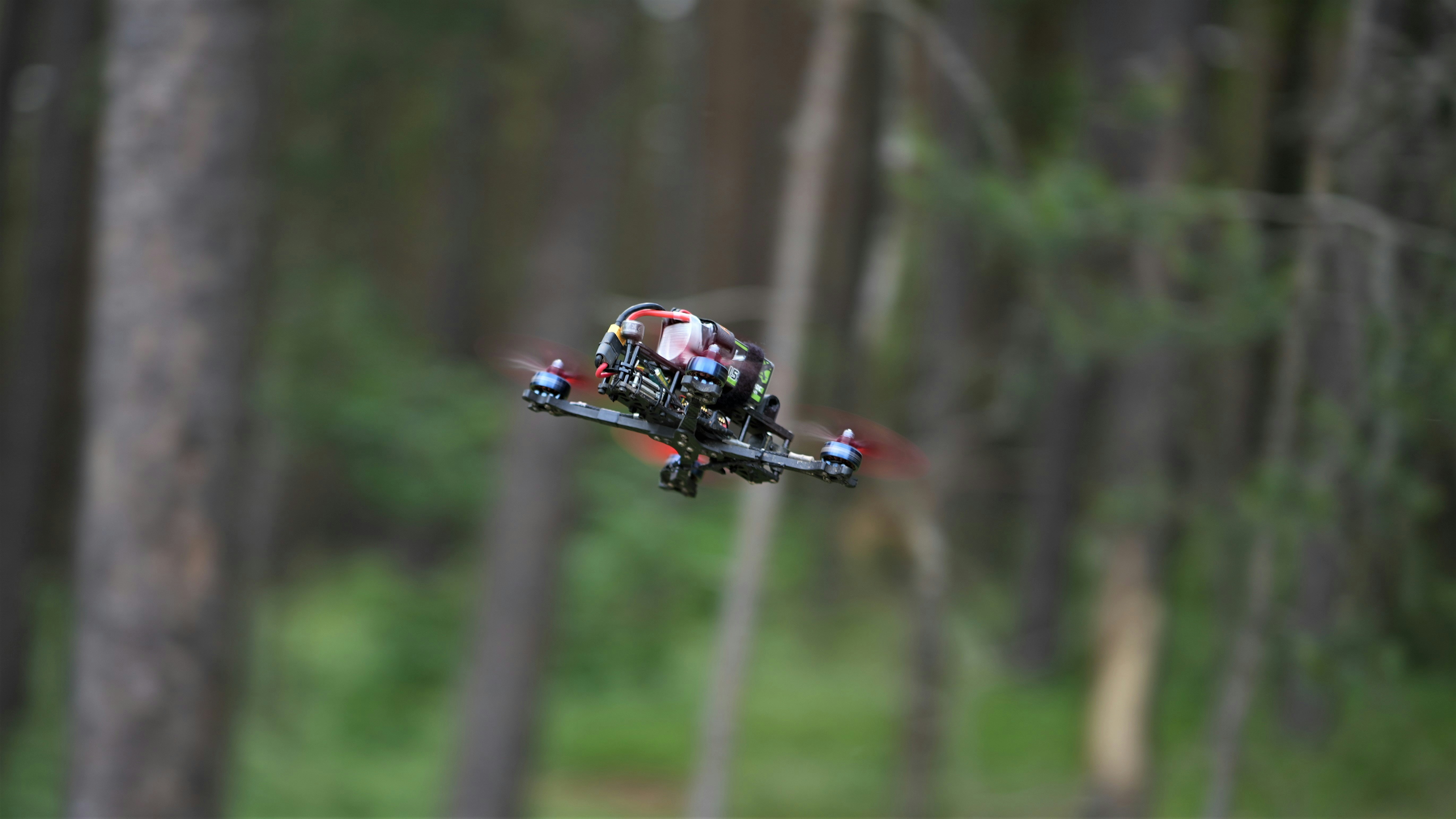
Community-maintained shopping lists are worth cross-referencing against your own before ordering. IntoFPV's own crowd-built beginner shopping list thread is a useful sanity check, since it reflects what the community actually converges on buying, not just what a single vendor bundles together (IntoFPV, 2026).
The Mistakes That Actually Wreck First Builds
Motor and prop size mismatches. Motors and propellers have a compatibility range, and going outside it can burn out a motor or ESC quickly. Check your frame's intended prop size before buying motors, not after.
A flight controller left off the parts list entirely. It sounds obvious, but it's a documented real mistake in beginner build threads: forgetting the one component that actually flies the drone while carefully sourcing everything around it (IntoFPV, 2026).
Reversed TX/RX wiring. The correct pairing connects the flight controller's TX pin to the receiver's RX pin, and RX to TX, not TX to TX (IntoFPV, 2026). Getting this backwards is one of the most common wiring mistakes in first builds, and it won't damage anything, it just won't work until corrected.
Test-Fit Before You Solder Anything
Lay out every component on the frame and route the cables before committing to a single solder joint. Standing forum advice from experienced builders is to sketch a wiring diagram first and get it reviewed if you're unsure, since it's far easier to fix a diagram than to fix a soldered board (IntoFPV, 2026).
This single habit catches most of the mistakes above before they cost you anything. A motor that's clearly too big for the frame, or a missing flight controller in your parts list, both show up during a dry test-fit, long before you'd notice them mid-solder.
Do You Need to Be an Electronics Expert to Build One?
No. Basic soldering skill and patience get you through a first build; you don't need deep electronics knowledge, just a willingness to double-check compatibility and wiring before committing to anything permanent. The pilots who struggle most are the ones who skip the test-fit step, not the ones with less soldering experience.
If a full build feels like more than you want to take on right now, a tiny whoop gets you flying with none of the soldering, and you can always build a larger drone once you've got stick skill and a working radio system already in place. Whichever route you take, buy at least three batteries and a matched charger before your first flight, not after.
Frequently Asked Questions
A frame, flight controller, 4-in-1 ESC, four motors, a receiver, a camera and video transmitter, and a battery. The full parts explainer covers what each one does.
Reversing TX and RX connections between the flight controller and receiver. The correct pairing is TX to RX and RX to TX, not TX to TX (IntoFPV, 2026).
Build only once you already own a radio and goggles from a previous purchase. Without those, an RTF kit gets you flying immediately without the compatibility guesswork a build requires.
No. Basic soldering skill and patience are enough. Test-fitting components and sketching a wiring diagram before soldering prevents most of the mistakes that actually derail first builds.
Conclusion
Bad soldering rarely kills a first build. A skipped compatibility check does: the wrong prop size, a flight controller left off the list, wiring reversed at the last connector. Test-fit everything, sketch the wiring first, and check your parts list against what the community actually buys before you order a single piece.
If building isn't where you're at yet, that's fine. A starter kit skips this entirely, and FlightDivision's simulator is free either way.
Sources
- IntoFPV, Beginner Shopping List, retrieved 2026-08-28, https://intofpv.com/t-beginner-shopping-list?pid=67594
- IntoFPV, First Time Building a Drone, Here's My Setup, What Mistakes Did I Make?, retrieved 2026-08-28, https://intofpv.com/t-first-time-building-a-drone-here-s-my-setup-what-mistakes-did-i-make
- IntoFPV, First Build, Beginner Recommendations?, retrieved 2026-08-28, https://intofpv.com/t-first-build-beginner-recommendations


