


Key Takeaways
- FPV splits into three distinct disciplines: racing (timed laps through gates), freestyle (style-judged tricks and flow), and cinematic (smooth, film-focused footage). Same four sticks, three different sports.
- Racing drones are stripped down for speed, MultiGP alone counts more than 30,000 registered pilots (MultiGP, 2026). Freestyle drones run heavier at 550–800 g to survive proximity crashes and carry a GoPro (UAVMODEL Insights, 2026). Cinematic builds like cinewhoops trade speed for ducted-prop safety and smoothness.
- Every discipline is built on the same foundational stick skills. FlightDivision's sim curriculum teaches those fundamentals first, then lets you branch toward whichever discipline pulls you in Basic Tricks and Flow.
Ask three FPV pilots what they fly and you'll get three different answers: a racer chasing a stopwatch, a freestyler landing a trick combo over a parking garage, and a cinematographer gliding through a warehouse for a music video. All three are flying acro on a quadcopter. Almost nothing else about their sport is the same.
The confusion is understandable from the outside. FPV drone footage all looks similarly dramatic in a thumbnail, fast, low, first-person. But the builds, the venues, the skills being judged, and the entire point of flying diverge hard once you look past the goggles. If you haven't read our full beginner's guide to FPV drones yet, that's the place to start on the basics; this guide picks up from there and breaks down racing, freestyle, and cinematic FPV side by side, so you know which one you're actually watching, and which one you might want to fly.
What Is FPV Racing?
FPV racing is a timed, head-to-head sport: pilots fly identical or similarly classed quads through a fixed course of gates, and the fastest lap or first drone across the finish line wins. It's the most structured of the three disciplines, with formal leagues, brackets, and a stopwatch as the only judge.
MultiGP is the largest FPV racing organization built on this format, with more than 30,000 registered pilots and over 500 active local chapters running races throughout the year (MultiGP, 2026). At the professional end, the Drone Racing League runs a qualifying-and-elimination format where pilots post fastest lap times to seed into four-to-eight-drone elimination heats, flying league-issued drones through large-scale gates at speeds above 80 mph, with most races finishing in under a minute (Drone Racing League, 2026).
Racing builds reflect that singular focus on speed. Frames are aggressively light, with arms often just 3–4 mm thick and cutouts to shave grams anywhere possible (UAVMODEL Insights, 2026). There's no GoPro, no gimbal, minimal camera protection: every gram not spent on speed is a gram working against you. The course itself is fixed and repeatable, so a racer's edge comes from consistency, not creativity.
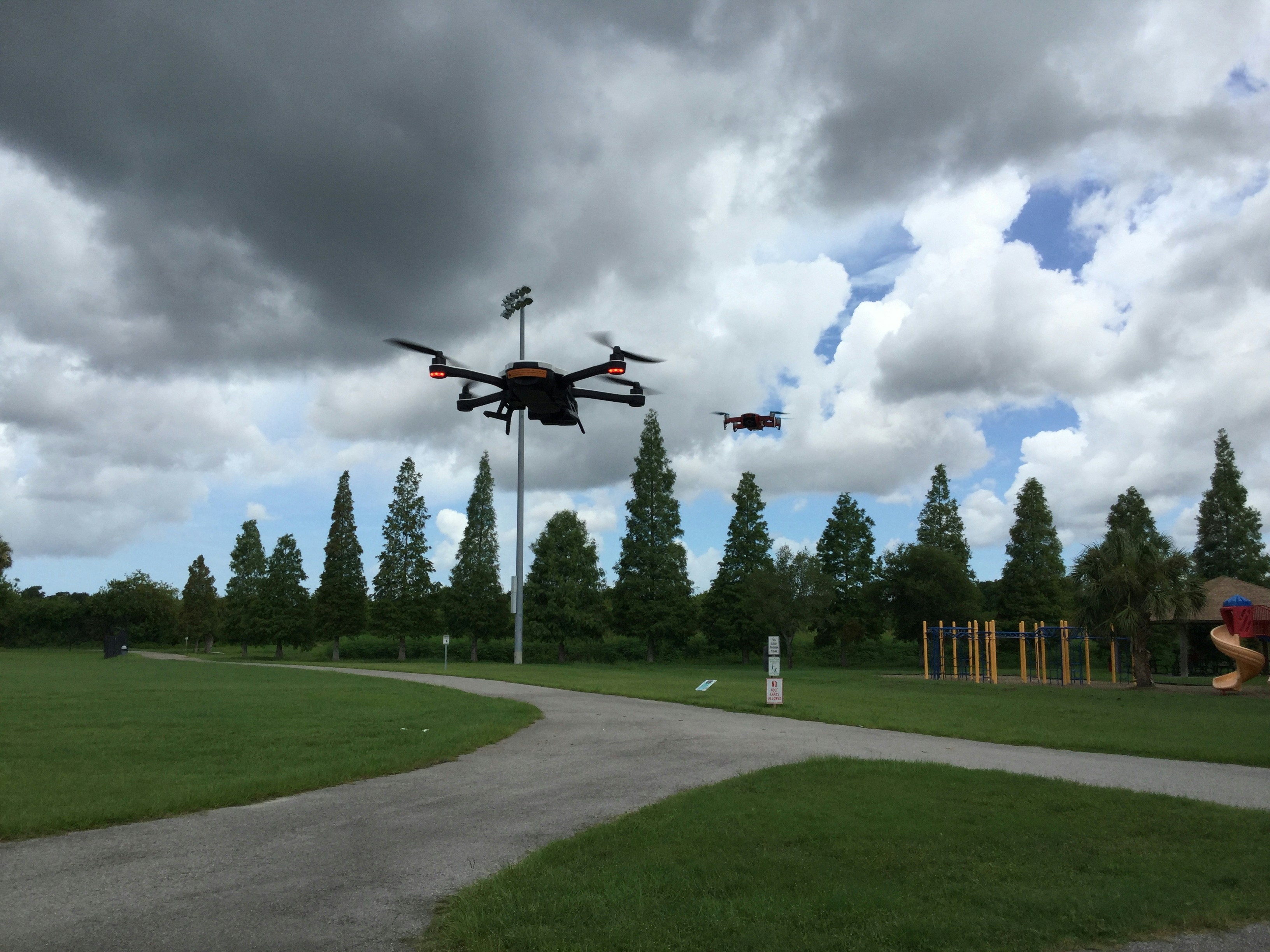
Racing rewards a specific mindset: memorize the line, minimize wasted throttle, and shave tenths of a second by flying the exact same gate sequence over and over until it's automatic. If you like competition, brackets, and a scoreboard that doesn't lie, racing is the discipline built for you.
What Is FPV Freestyle?
Freestyle FPV is unstructured, trick-based flying through open or found environments, judged on style and flow rather than time. There's no fixed course and no stopwatch. The goal is to link tricks smoothly through whatever terrain you're flying, buildings, trees, skateparks, into something that looks and feels good.
The trick vocabulary is extensive: power loops (usually the first trick pilots learn), barrel rolls, backward loops over obstacles, and full 3D orbits around a subject, an advanced move popularized by well-known freestyle pilots (Wrekd, 2026). But the tricks themselves aren't really the point. What separates strong freestyle from a trick reel is the transition between moves: a smooth link between a mediocre roll and flip reads as better flying than two technically perfect tricks with an awkward pause between them (Wrekd, 2026). Freestyle also has recognizable individual styles the way skateboarding or snowboarding does, some pilots fly aggressive proximity lines close to obstacles, others favor smooth, flowing arcs, and a pilot's flying develops its own signature over time.
That style-first judging shapes the hardware too. Freestyle quads run heavier than race builds, typically 550–800 g fully loaded, because durability matters more than shaving grams: most freestyle pilots carry a GoPro for footage and add 3D-printed guards and mounts that add weight in exchange for surviving a proximity clip (UAVMODEL Insights, 2026). Freestyle also happens anywhere: an empty lot, a forest, an abandoned building, wherever there's interesting terrain to fly through, unlike racing's fixed and marshaled track.
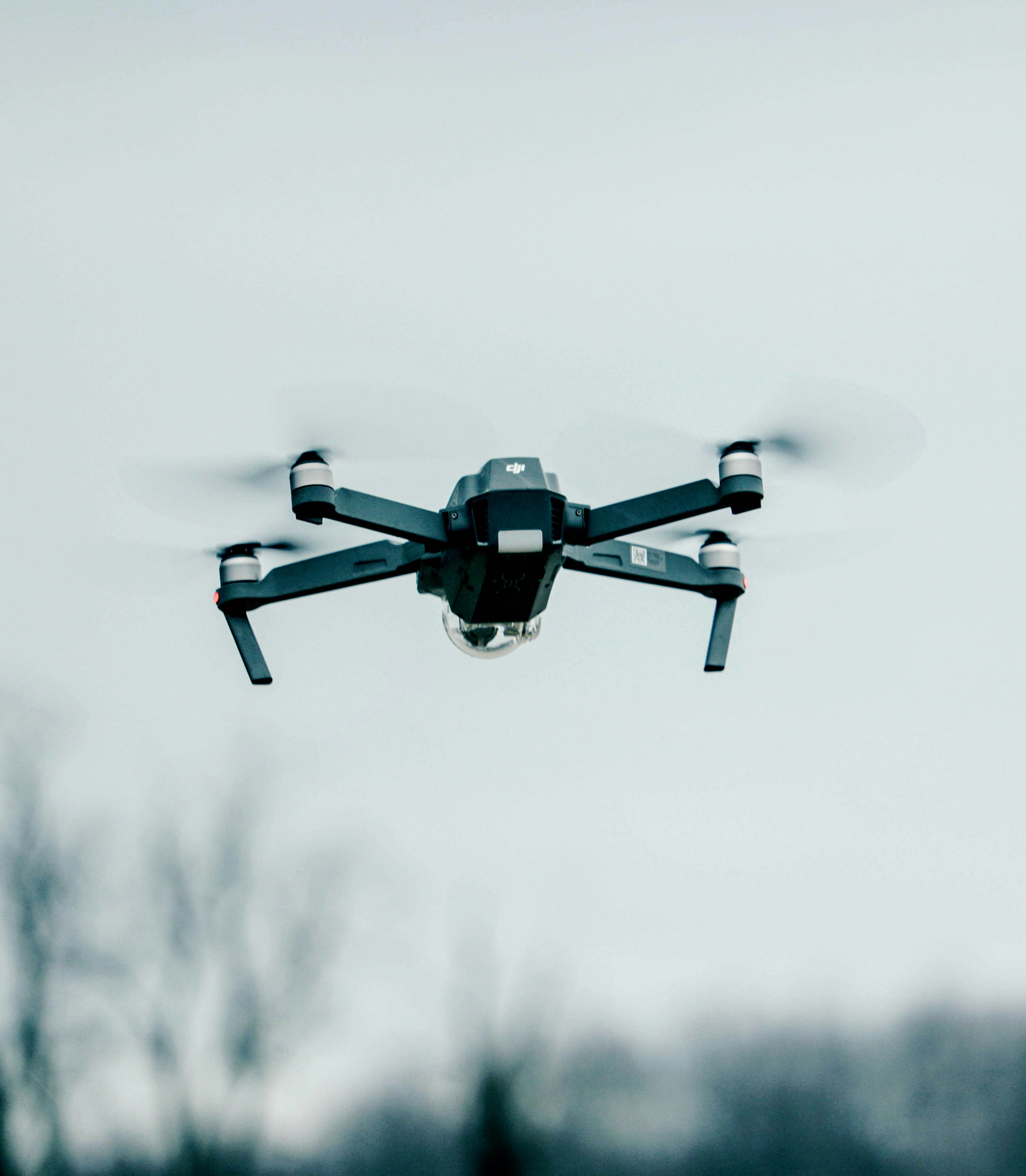
If racing is about doing the same line perfectly, freestyle is close to the opposite: finding a new line nobody's flown at this specific spot and making it look effortless. It's the most creatively open of the three disciplines, and the one with the loosest rules.
What Is Cinematic FPV?
Cinematic FPV is acro flying optimized to produce smooth, stabilized-looking footage for film and video, even though nothing about the underlying control is automated. It's the discipline where the flying itself is invisible: the goal is footage the viewer never suspects came from someone yanking sticks in Acro mode.
The technique split from racing and freestyle starts with rates. Cinematic pilots fly with much milder stick response than a racer or freestyler would tolerate, typical cinematic rate configurations use high expo (0.6–0.8) specifically to smooth out stick inputs, compared to the sharp, twitchy rates a racer wants for split-second reaction time (Oscar Liang, 2026). Camera settings matter just as much as flying technique: shutter speeds that are too fast, 1/500 or 1/1000, make footage look jittery and video-game-like, while the right amount of motion blur is what actually reads as cinematic on screen (Oscar Liang, 2026).
Hardware follows the same logic. Cinewhoops, the signature cinematic build, use ducted propellers that protect people and objects from the props (useful when flying close to actors or through doorways) and add hover efficiency, at the cost of the raw speed a racer needs (UAVMODEL Insights, 2026). Adding a full GoPro to a roughly 250 g cinewhoop frame nearly doubles the all-up weight and roughly halves flight time, a tradeoff a racer would never accept and a cinematic pilot makes without hesitation (UAVMODEL Insights, 2026). Many cinematic builds also pair the frame with a small gimbal to further isolate camera shake the ducts and rates alone can't remove.
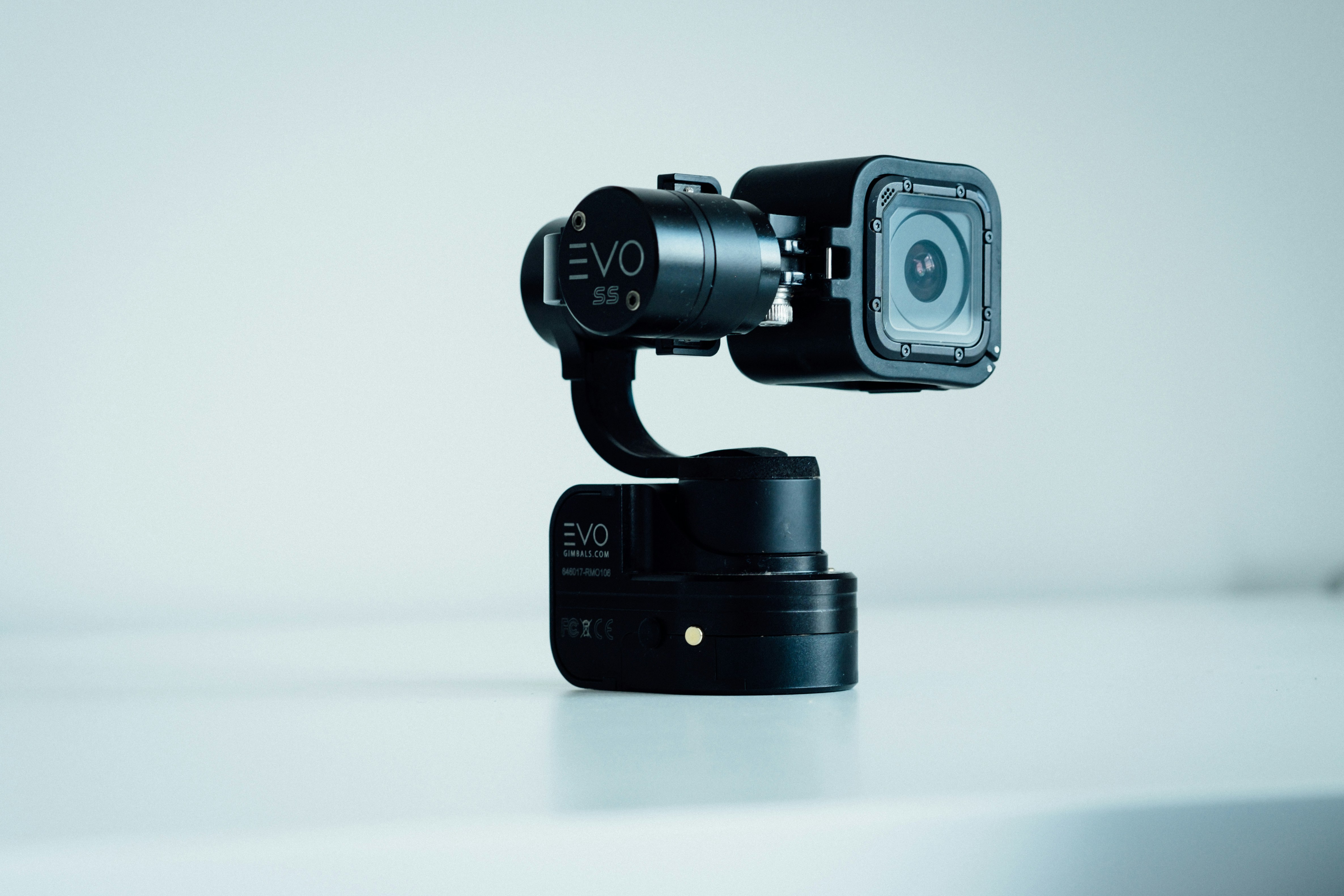
Cinematic FPV is judged by an audience that never sees the sticks, only the finished shot. That makes it the most technically demanding discipline in a quiet way: a racer's mistake shows up on the clock, a freestyler's mistake shows up as a crash, but a cinematic pilot's mistake shows up as a shake nobody can quite explain, hiding effort so completely that it looks automated.
Racing vs. Freestyle vs. Cinematic: Side by Side
The clearest way to see how far apart these disciplines really are is to line them up across the same dimensions: what's judged, how the drone is built, and where it's flown.
| Racing | Freestyle | Cinematic | |
|---|---|---|---|
| Judged on | Lap time / finish order | Style, flow, trick execution | Footage smoothness, shot quality |
| Course | Fixed gates, marshaled track | No fixed course, open or found terrain | Wherever the shot calls for |
| Typical build weight | Lightest: stripped, no camera payload | 550–800 g loaded, durability-focused | ~250 g cinewhoop frame, nearly doubles with a GoPro |
| Signature hardware trait | Thin 3–4 mm arms, weight-shaved | 3D-printed guards, GoPro mount | Ducted props, milder rates, often a gimbal |
| Governing structure | MultiGP, Drone Racing League | Informal, style/scene-driven | Informal, production-driven |
| Best first sim course | Turns and Stopping (gate precision) | Basic Tricks (trick vocabulary) | Flow (smooth, linked control) |
No discipline is strictly "harder" than the others, they're demanding in different places. Racing tests consistency under time pressure. Freestyle tests creativity and proximity control. Cinematic tests the subtlest stick discipline of all: making full manual control look like it isn't there.
Do You Need Different Skills for Each Discipline?
You need the same foundational stick skills for all three, throttle, pitch, roll, and yaw blended together in Acro mode, before any discipline-specific style starts to matter. What changes between disciplines isn't the underlying control, it's how that control gets applied once the basics are automatic.
That's why disciplines aren't really a beginner decision. A brand-new pilot who hasn't built reliable takeoff, turning, and stopping skills yet doesn't have enough stick control to tell whether they'd rather race gates or land tricks, everything still looks like just staying airborne. The discipline question makes sense once the fundamentals stop requiring conscious thought.
In FlightDivision's simulator, that split shows up naturally in the course order: Takeoff and Forward, Turns, Stopping, and Stay Calm build the universal foundation every discipline depends on. Basic Tricks and Flow are where things start to diverge, Basic Tricks builds the trick vocabulary that feeds freestyle, while Flow builds the smooth, linked control that feeds both racing lines and cinematic shots. You don't have to pick a lane before you start. The curriculum gets you fluent first, then lets the discipline that appeals to you pull you toward its specific style.
Which FPV Discipline Should You Start With?
Pick the discipline that matches what you actually enjoy watching, not what looks most impressive. If you like brackets, stopwatches, and beating a personal best, racing's structure will hold your interest. If you like creative freedom and building a recognizable style, freestyle's open format fits better. If you're drawn to the finished product more than the flying itself, cinematic is where the payoff is footage, not a scoreboard or a trick landed clean.
The good news is you don't have to commit early, and you shouldn't. The stick skills underneath all three disciplines are identical for long enough that trying each one costs nothing but time in a simulator. Fly some gates, try a few tricks, chase a few smooth shots, and let the discipline pick itself based on which one you keep coming back to.
Frequently Asked Questions
Racing is timed laps through fixed gates, judged by a stopwatch. Freestyle is trick-based flying through open terrain, judged on style and flow. Cinematic is acro flying tuned to produce smooth, film-quality footage. Same stick inputs, three different goals and judging criteria.
Neither is strictly harder, they're demanding in different ways. Racing tests consistency and precision under time pressure on a fixed course. Freestyle tests creativity, proximity control, and trick execution with no fixed line to memorize.
Eventually, yes. Racing drones are stripped light with no camera payload, freestyle drones run 550–800 g loaded for durability, and cinematic builds like cinewhoops use ducted props and milder rates for smooth footage (UAVMODEL Insights, 2026). You don't need any of them to start, a simulator works for all three.
Yes, and you should. All three rely on the same foundational stick skills, so trying racing gates, freestyle tricks, and smooth cinematic lines in a simulator costs nothing but time, and it's the fastest way to find out which one actually holds your interest.
Conclusion
Racing, freestyle, and cinematic FPV share a control scheme and almost nothing else. Racing is a timed sport with formal leagues and stripped-down speed builds. Freestyle is a style-judged, anything-goes discipline built around trick flow and durable hardware. Cinematic is acro flying disguised as something automated, built to disappear behind the footage it produces.
None of that matters yet if you haven't built the underlying stick skills all three depend on. That work happens the same way regardless of which discipline eventually pulls you in: takeoff, turning, stopping, staying calm under pressure, then Basic Tricks and Flow, where discipline-specific style actually starts to diverge.
Curious whether racing lines, freestyle tricks, or cinematic smoothness suits you better? You'll only find out by flying. If you're still deciding whether FPV is worth the learning curve at all, Is FPV Drone Flying Hard to Learn? is the place to start. Otherwise, start building toward Basic Tricks and Flow in the FlightDivision simulator, free, in-browser, no hardware required.
Sources
- MultiGP, Global Qualifier, retrieved 2026-08-11, https://www.multigp.com/globalqualifier/
- Drone Racing League, Wikipedia, retrieved 2026-08-11, https://en.wikipedia.org/wiki/Drone_Racing_League
- UAVMODEL Insights, Cinewhoop vs Freestyle vs Racing: Choosing Your FPV Build Style, retrieved 2026-08-11, https://blog.uavmodel.com/cinewhoop-vs-freestyle-vs-racing-choosing-your-fpv-build-style/
- Wrekd, A Master List of FPV Tricks and Maneuvers and How to Do Them, retrieved 2026-08-11, https://wrekd.com/pages/a-master-list-of-fpv-tricks-and-manuevers-and-how-to-do-them
- Oscar Liang, How to Make Your FPV Drone Videos Look Cinematic, retrieved 2026-08-11, https://oscarliang.com/cinematic-fpv-drone-video/

